
Magical Morocco Birding Tour
- Next tour dates OPEN
- Duration 12 days
- Lodging 3-4 stars
- Difficulty Easy
- Group size Max. 8 people
- Price USD $TBD per person*
Overview
Spring is, without a doubt, the best season to go birding in Morocco. This is the time when the desert is teeming with life, due to the arrival of the much needed rains. Some of the most charismatic birds of the region will be breeding at this time, including the Greater Hoopoe Lark, the Desert Wheatear and the Houbara Bustard.
This is also the opportune moment to see some of the migratory species that cross the Sahara, while the peaks of the Atlas Mountains are covered in remnants of snow, creating a magical view of this landscape. Its beauty might be enhanced by the sight of a Bearded Vulture flying overhead, or the call of the Crimson-winged Finch.
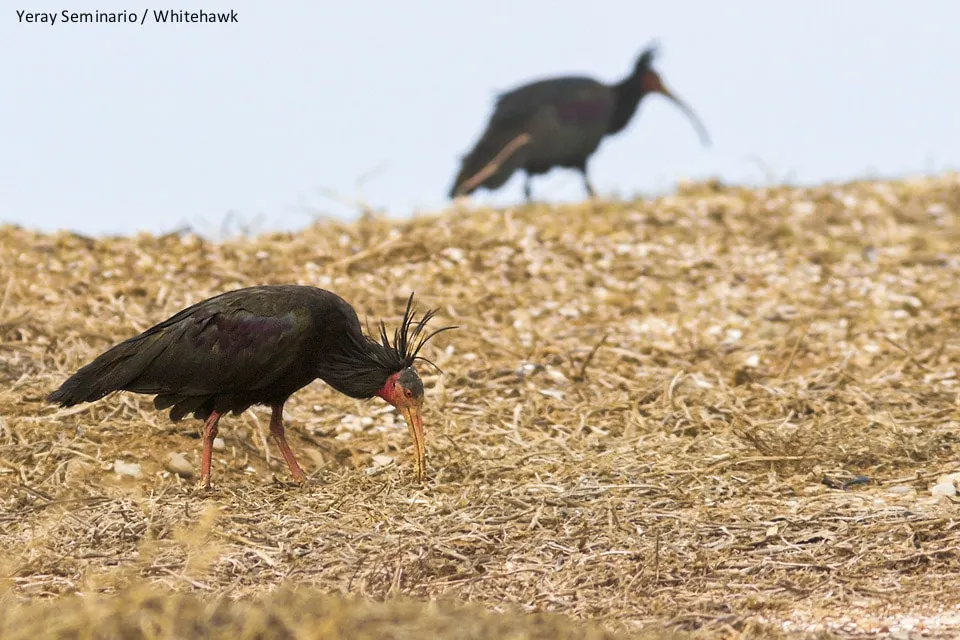
In contrast to the rugged mountains, we will also find ourselves in the landscape of the Moroccan Atlantic Coast, famous for its wetlands where we will be able to see Marbled Duck and Red-knobbed Coot, and as a refuge for the last viable population of the endangered Northern Bald Ibis.
During our Morocco birding tour, we will also delve into the fascinating culture and enjoy the wonderful gastronomic delights of the region. From the coast to the desert and from the desert to the mountains, this trip to Morocco promises to be an unforgettable experience for anyone who loves birds and nature.
Itinerary
DAY 1: RABAT
Our Morocco birding tour begins in Rabat. We will spend our first afternoon at Sidi Boughaba National Park, a fresh water reservoir that holds good populations of Red-knobbed Coot, White-headed, Marbled and Ferruginous Duck, some of the most threatened species in the whole region. We may see Purple Swamphen or Squacco Heron, among the reeds, or a Western Marsh Harrier soaring over the lagoon.
DAY 2: RABAT to AZROU
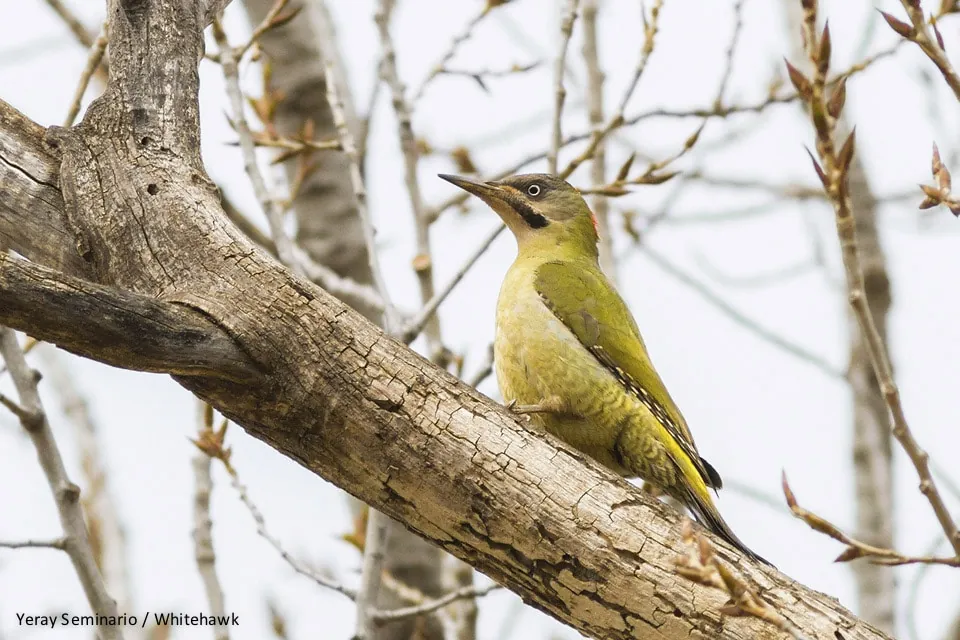
On our first morning we will head to the cork oak forest in the Zaër region, near Rabat, where it is possible to see Barbary Partridge, Double-spurred Francolin, European Turtle Doves, Common Bulbul, African Chaffinch and African Blue Tit. Also possible in the area is the Black-crowned Tchagra. Then we will start driving east to the fabulous forests near Ifrane. Here we will look for forest species such as Levaillant’s Woodpecker and Atlas Pied Flycatcher, Short-toed Treecreeper, Eurasian Nuthatch and Firecrest.
DAY 3: AZROU to MIDELT
This morning we will explore the Cedar forest near Azrou, home to a healthy population of Barbary Macaque. Then, we will start driving south, through one of the most attractive landscapes of the whole tour, with high altitude plains and small lagoons where Ferruginous Shelducks dwell. With luck, we will observe the Atlas Long-legged Buzzard and Black Wheatear as well. Near the village of Zaida we will look for the elusive DuPont’s Lark and Thick-billed Lark.
DAY 4: MIDELT to MERZOUGA
In the morning we will head into the High Atlas. We will make strategic stops along the way to look for some of the local passerines, like the Moroccan White Wagtail, Tristram’s Warbler, Isabelline Warbler, Western Orphean Warbler or Moussier’s Redstart. Then, near Er Rachidia, we will go to a wadi and look for the Streaked Scrub Warbler, Bar-tailed, Temminck’s and Maghreb larks and other passerines. Our destination for this afternoon will be Erg Chebbi, the largest dune system in all of Morocco. The image of these dunes beneath the warm evening light will forever be etched in your memory.
DAY 5: MERZOUGA
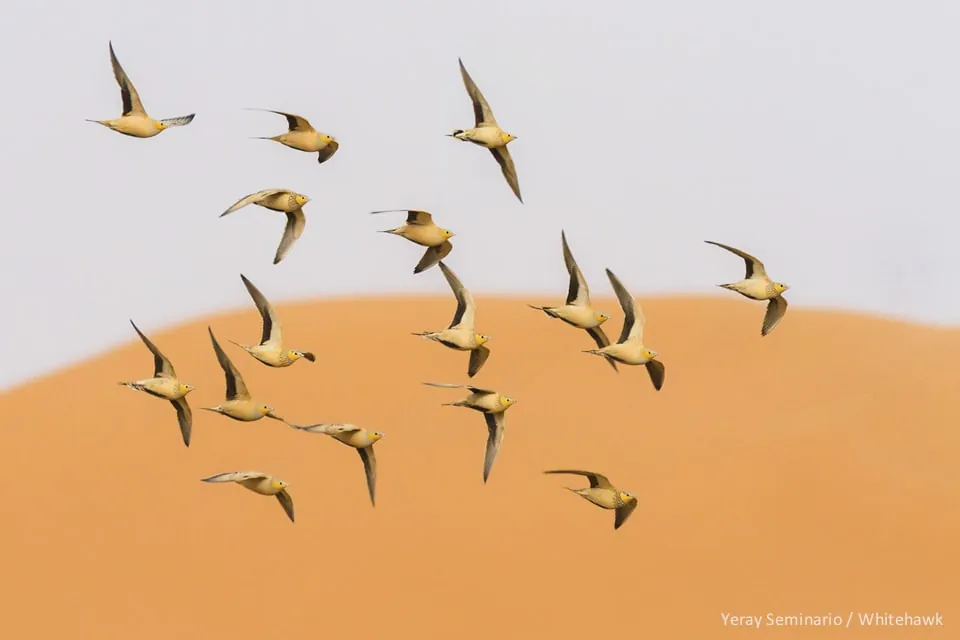
This morning we will set out in a 4×4 vehicle to visit the wildest parts of this region. Our journey will take us close to the Algerian border in search of the two “most wanted” species of the desert, found almost exclusively here, the Houbara Bustard and the Desert Sparrow. During our adventure, we will encounter other species of interest such as Crowned Sandgrouse, Spotted Sandgrouse, Greater Hoopoe Lark or African Desert Warbler. After lunch we will visit a near wadi in search of species like Desert Warbler, Bar-tailed Lark or Greater Hoopoe Lark. Today will be a highlight of our Morocco birding tour!
DAY 6: MERZOUGA to BOUMALNE DADES
In the morning we will say goodbye to this magnificent setting and make our way towards Boumalne. During the trip we will stop in some of the numerous wadis and palm forests to look for some emblematic species of the region such as Streaked Scrub Warbler, Fulvous Babbler, African Desert Warbler and Brown-necked Raven. Later in the day, we will head to the famous Tagdilt Track. Some of the species that make this place so famous are: Cream-colored Courser, Thick-billed Lark, Greater Hoopoe Lark, Temminck’s Lark, Desert Lark, Bar-tailed Lark, Desert Wheatear, Red-rumped Wheatear, among others.
DAY 7: BOUMALNE DADES to OUARZAZATE
We will spend more time at the Tagdilt Track to locate some of the species we might have missed the day before. After breakfast we will embark on our journey to Ouarzazate, where we will visit the Ouarzazate reservoir. Here, we can find large amounts of waterfowl, including such highlights as the Marbled Duck and the Ruddy Shelduck. This place also attracts a wide variety of migrating songbirds and is home to many resident species such as Fulvous Chatterer, Laughing Dove, Lanner Falcon, Long-legged Buzzard and a large variety of wheatears and larks.
DAY 8: OUARZAZATE to AGADIR
Today our Morocco birding tour continues with a long drive to Agadir. On the way, we will make several strategic stops where we will be able to observe several interesting species such as Lanner Falcon, Maghreb Wheatear, Tristram’s Warbler, Moussier’s Redstart and a large number of migrating passerines. We will cross extensive argan forests, where we will look for Black-winged Kite, Thekla Lark, Red-rumped Swallow, Black-crowned Tchagra and Spanish Sparrow.
DAY 9: AGADIR
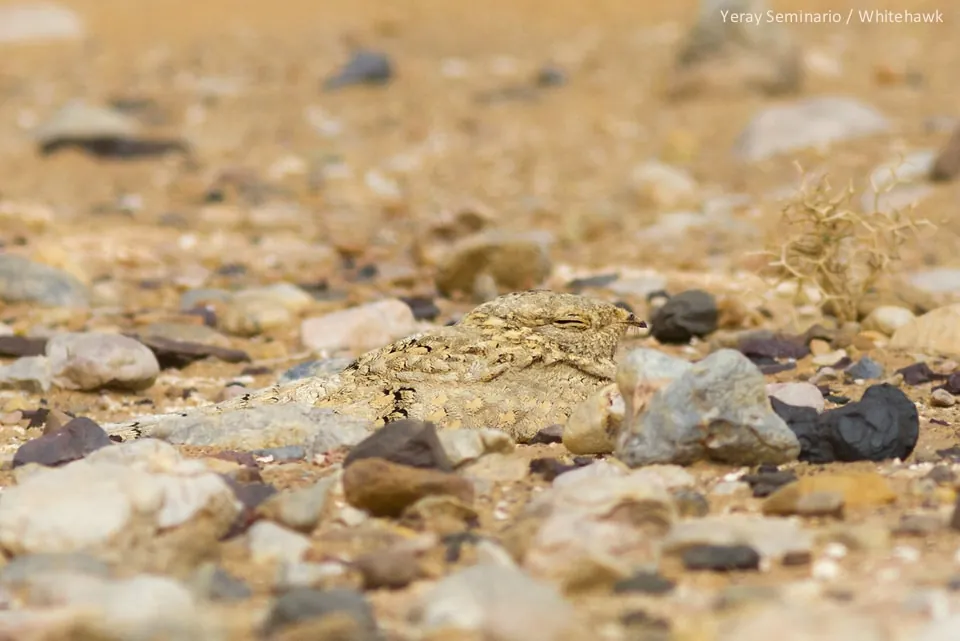
After breakfast, we will head to the Atlantic Coast, and the Souss-Massa National Park. This is one of the few well-conserved wetlands in Morocco and a magnificent place for birdwatching. On our trip along the Massa River we will be able to find species such as Black-crowned Tchagra, Plain Martin, Squacco Heron, Marbled Duck and Moustached Warbler. In the afternoon we will head to the Oued Souss, closer to the city. In the evening, we will search for the Red-necked Nightjar found here throughout the year.
DAY 10: TAMRI
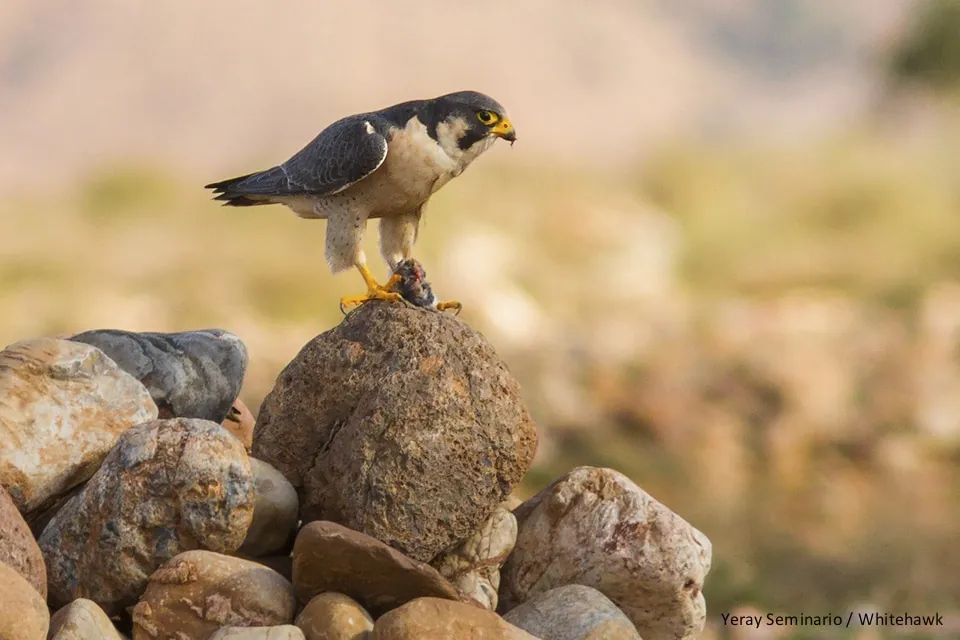
This morning we will head to Tamri, where a colony of the critically endangered Northern Bald Ibis frequents. It is relatively easy to observe them here as they forage for food. The mouth of Tamri River is a splendid place to observe water birds, and the surrounding banana plantations act like a magnet for birds in migration such as Western Orphean Warbler, Rufous-tailed Scrub Robin, Eurasian Wryneck, Sedge Warbler or Common Grasshopper Warbler. Close by, we can see a resident pair of Barbary Falcons. From Cape Rhir we will be able to observe many seabirds in migration.
DAY 11: OUKAIMEDEN
After our departure in the morning from the charming town of Essaouira, we will visit the Atlas Mountains, with peaks that reach over 4,000 meters. More specifically, we will visit the area around Oukaimeden. Here we will look for the elusive Crimson-winged Finchthat frequents clearings free of snow in search of food. Other species of interest include: Barbary Partridge, Levaillant’s Woodpecker, Horned Lark, Moussier’s Redstart, Alpine Accentor, Yellow-billed Chough, Rock Sparrow and, in the past few years, there have been regular sightings of Bearded Vultures.
DAY 12: MARRAKESH and DEPARTURE
During the last day of our Morocco birding tour we will visit some of the beautiful sites this city has to offer, such as the Djemaa el Fna Plaza or the largest traditional market in Morocco. We will also observe species typical of this part of the African continent, such as: Garden Bulbul, House Bunting or Little Swift. Drop off at the airport. Tour concludes in Marrakesh.
Species
BIRDS
- Barbary Partridge
- Ferruginous Shelduck
- Marbled Duck
- Squacco Heron
- Glossy Ibis
- Northern Bald Ibis
- Long-Legged Buzzard
- Black-Shouldered Kite
- Eleonora’s Falcon
- Lanner Falcon
- Barbary Falcon
- Cream-Colored Courser
- Audouin’s Gull
- Lesser Crested Tern
- Caspian Tern
- Black-Bellied Sandgrouse
- Pin-Tailed Sandgrouse
- Spotted Sandgrouse
- Crowned Sandgrouse
- Laughing Dove
- Red-Necked Nightjar
- Little Swift
- Maghreb Lark
- Thekla Lark
- Lesser Short-Toed Lark
- Desert Lark
- Bar-Tailed Lark
- Temminck’s Lark
- Greater Hoopoe Lark
- Thick-Billed Lark
- Brown-Throated Martin
- White-Crowned Wheatear
- Black Wheatear
- Desert Wheatear
- Red-Rumped Wheatear
- Blue Rock Thrush
- Streaked Scrub Warbler
- Spectacled Warbler
- Dartford Warbler
- Tristram’s Warbler
- Moustached Warbler
- African Blue Tit
- Black-Crowned Tchagra
- Common Bulbul
- Fulvous Babbler
- Maghreb Magpie
- Brown-Necked Raven
- Trumpeter Finch
- Cirl Bunting
- House Bunting
TOUR BASICS
Guide: Yeray Seminario
Single Supplement: TBD
Lodging: Comfortable hotels, among the best in the region
Food: Excellent Moroccan food
Weather: Cool in the mornings and evenings, it can be hot at mid-day
Difficulty: Easy. Short walks on mostly level surfaces throughout most of the trip.
This tour is run in conjunction with our sister company, Birding the Strait.
*For more information on what is included/not included, as well as our booking and cancellation policies, please review our Terms & Conditions.
* With smaller groups, an additional fee will be charged.
LEARN MORE
Past trip reports:
2016 Morocco Trip Report
From our blog:
Watching Barbary Macaques in Northern Morocco
Into the Wild Desert: Merzouga
Morocco: Migration from the Other Shore
Birdwatching in Morocco – Mountains, Sea, Marshes and Wind-swept Dunes