WHitehawk Birding blog
Welcome to the Whitehawk Birding Blog! Here we share fun birding and nature facts and news in posts that we hope you find of interest. We hope you enjoy!
-

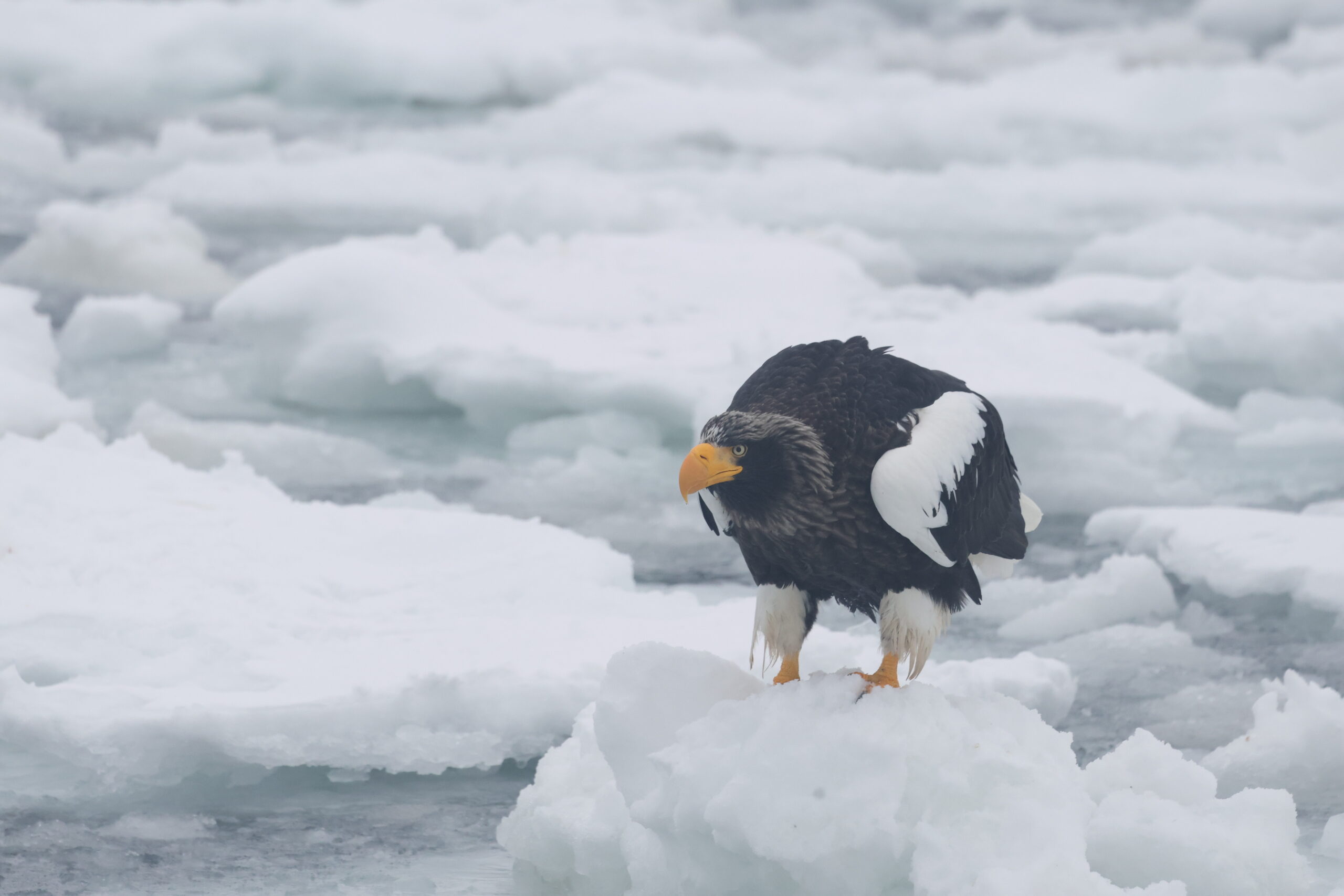
Top 10 Eagles of the World
Globally, there are nearly 70 eagle species with a total population across all species estimated to be in the low millions. Some have widespread ranges and are doing quite well, while others are facing major threats and their populations are declining. While some, once endangered, are on the slow road to recovery. They are considered…
-

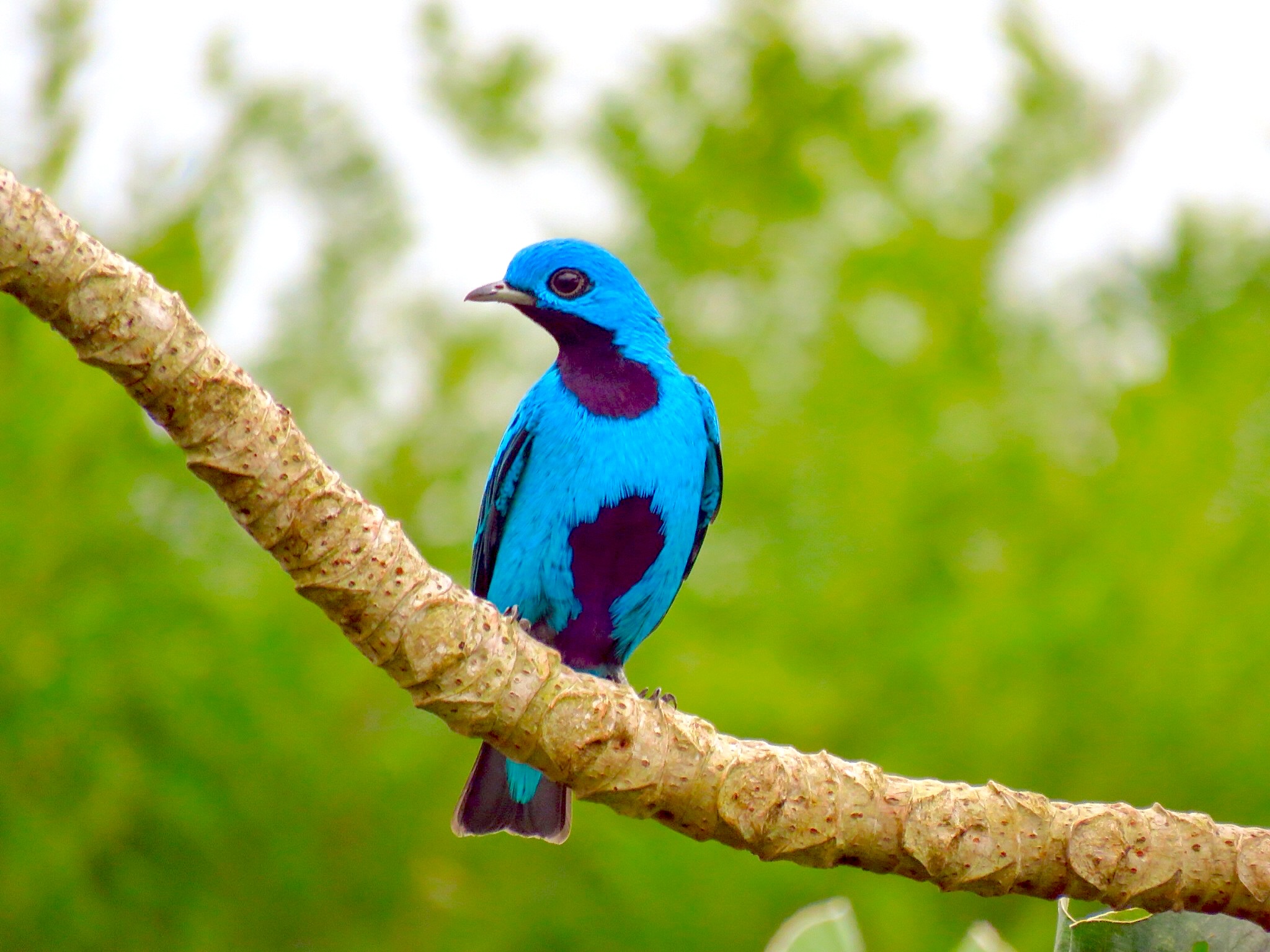
Top 5 Birds of Cerro Azul, Panama
When we think of top birding places in Panama, Cerro Azul often comes up. It is nestled in the foothills of Chagres National Park. At an elevation of around 900 meters, Cerro Azul is home to a diverse suite of fantastic Neotropical birds and several specialties difficult to find elsewhere. Los Altos de Cerro Azul…
-
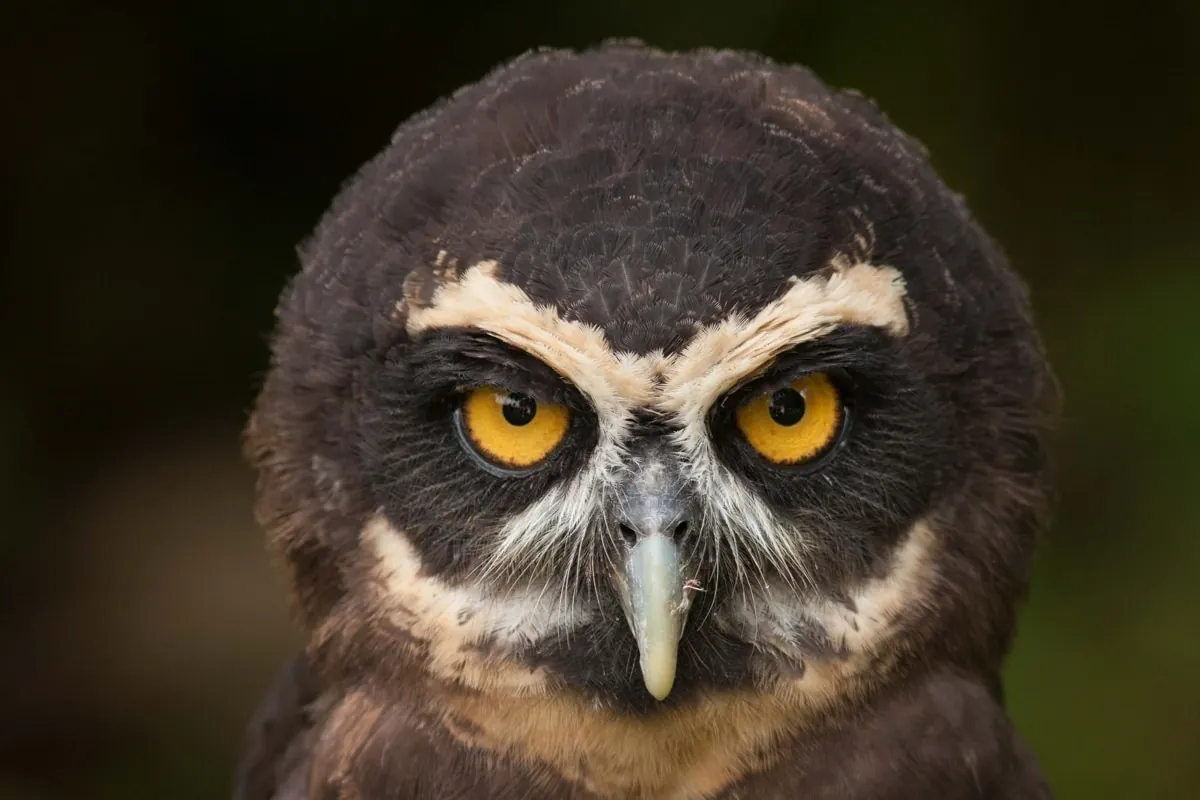
Bird in Focus: Spectacled Owl
Why Spectacled Owls? Out of all of the amazing birds found around the world, it is hard to pick a favorite species, or even a favorite family. However, I have to admit that owls hold a special place in my heart – for no particular reason I can name. It is more the feeling of…
-
Bird in Focus: Sunbittern
Why Sunbittern? Sunbitterns are undoubtedly one of the most iconic birds of the Neotropics. This gem of the rivers and quiet streams of Central and tropical South America always captivates birders’ attention. While they have somewhat of a somber appearance as they stroll quietly along the edge of a forest stream, it isn’t until they…
-
Destination in Focus: Gobi Desert, Mongolia
Perhaps the one word that best encapsulates the Gobi Desert is vast. Traversing the southern region of Mongolia and northern China, this desert covers just under 1.3 million square kilometers, making it the 6th largest desert in the world. Flowing creeks and dry creek beds, stunning cliffs, deep rocky canyons, colorful desert flowers, and open…
-

Top 10 Winter Wildlife of Hokkaido, Japan
I recently had the opportunity to travel to Japan. I had been there only once before, many years ago, and only for a day. It was during a long layover on my way to Vietnam. With more than 12 hours to wait, I decided to travel by train to the lovely town of Nara. I…
-
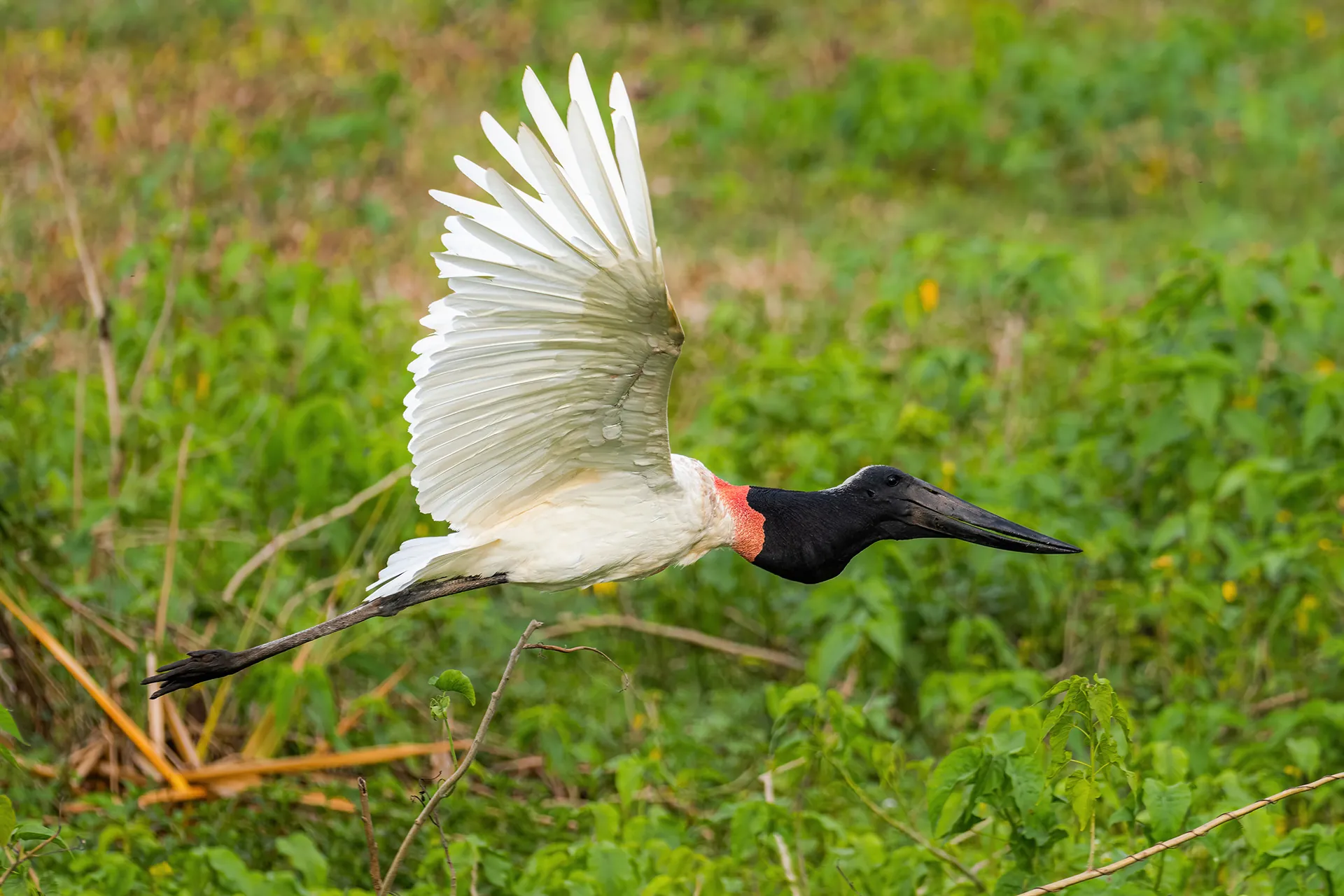
Bird in Focus: Jabiru
Why Jabirus We have chosen Jabirus as our Bird in Focus because they are unmistakeable. These impressively large storks have pure white bodies, black legs, a red patch on their necks, black heads and throats, and dark, slightly upturned beaks. Seeing these tall waders foraging in shallow pools makes you feel as if you have…
-

Top 10 Reasons to Visit Dominican Republic
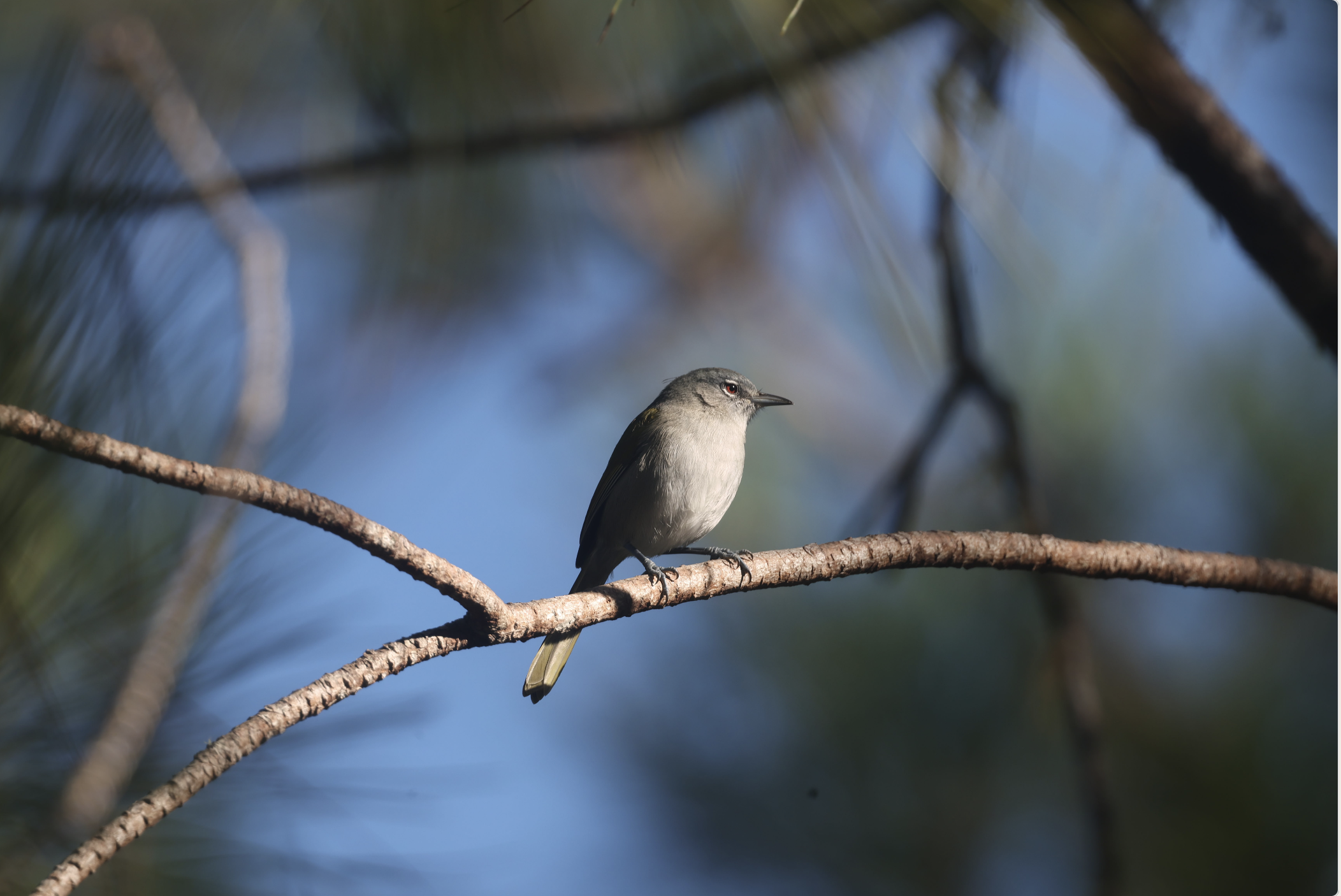
Hispaniola encompasses two countries – Haiti to the west and the Dominican Republic to the east. This Caribbean island is home to a high level of biodiversity and a host of varied ecosystems. Here, the highest peak in the Caribbean – Pico Duarte – reaches over 3,000 meters above sea level. It encompasses Hispaniolan Pine…
-
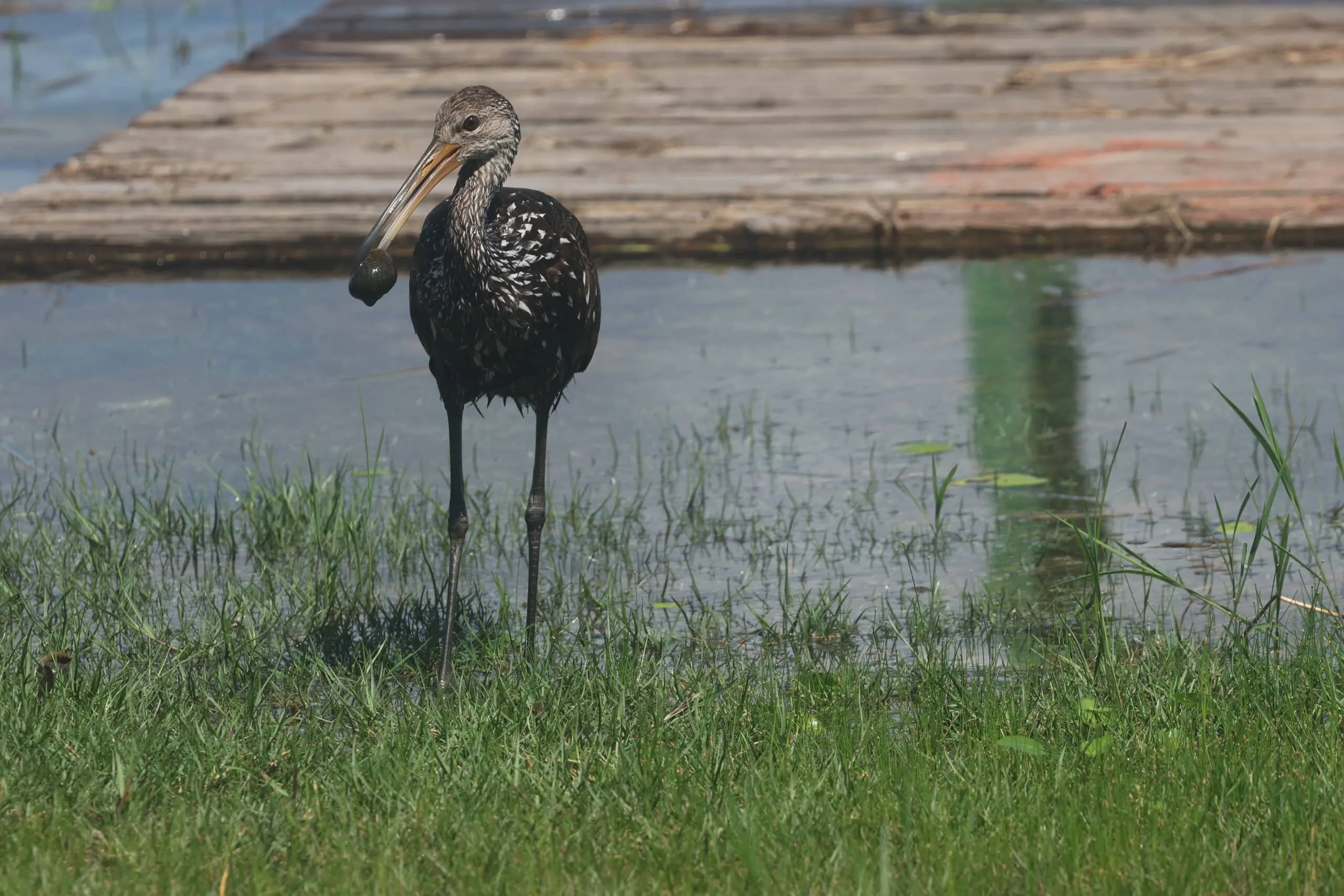
Bird in Focus: Limpkin
The Limpkin is a lovely waterbird found throughout much of the Americas. In Panama, we often see this bird during our boat tours on Gatun Lake. However, it is shy, and we sometimes only get quick glimpses before it flies deeper into the vegetation. In Belize, we have found this bird to be much more…